| Back to Genre |
 |
|
 |
Rating: Good |
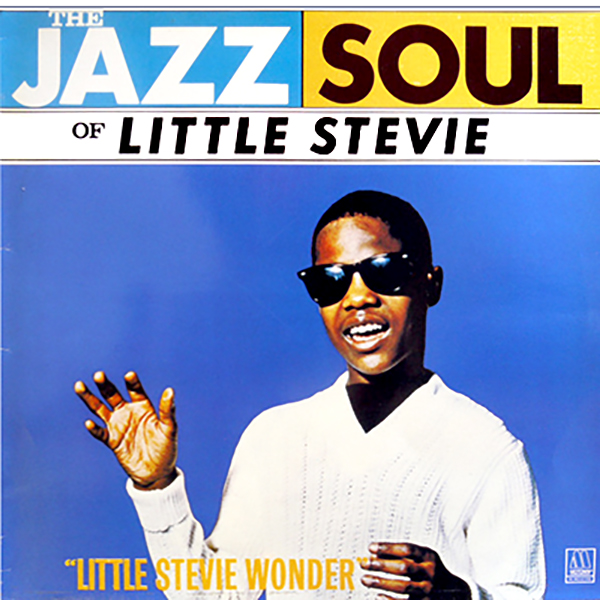
In 1962, at the tender age of 12, Stevie Wonder released his debut album, The Jazz Soul of Little Stevie. It’s an album that showcases his extraordinary musical talent early on, but also takes its place as a curiosity in the impressive catalog of the man who would go on to become one of the greatest artists of all time. With nine instrumental tracks ranging from jazz to soul, it’s clear that this album was intended to show off Stevie’s virtuosity on a variety of instruments, most notably the harmonica, drums, and keyboards. But just how good is this album, and how does it fit into the bigger picture of his career?
The talent of a child prodigy
From the first notes, it’s clear why Stevie Wonder was hailed as a musical prodigy back in the day. He plays with an energy and precision that’s remarkable for someone his age. Tracks like “Fingertips” and “Wondering” stand out with their infectious rhythms and playful melodies. “Fingertips” in particular (later to become a huge hit live version) offers a glimpse of the liveliness that Wonder would later perfect in his music.
The jazz influence is palpable throughout the album, but it remains accessible and light, almost as if Motown were carefully exploring how to position a child star with such talent. The backing of the Funk Brothers, Motown's house band, gives the album a solid musical foundation, although at times it feels as if they are stealing the show instead of Stevie himself.
Technical proficiency versus emotional depth
What The Jazz Soul of Little Stevie lacks is the emotional richness that would later become the hallmark of Stevie's music. While his technical prowess is impressive, the album at times feels like a showcase of his skills rather than a coherent artistic statement. The songs are often short and lack the depth and structure that made his later work so memorable.
A good example of this is “Session Number 112”, which has a smooth groove but offers little development. It gets stuck in a repetitive build-up without really going anywhere. This makes some tracks feel more like background music, instead of music that really moves you. It’s as if Motown wanted to emphasize: “Look what he can do!” without taking too many risks in the compositions.
Comparison with later work
It’s impossible to listen to The Jazz Soul of Little Stevie without comparing it to the masterpieces that would follow, such as Songs in the Key of Life and Innervisions. Where those albums are steeped in lyrical complexity, spiritual themes and social commentary, this album remains purely instrumental and relatively light in tone.
That doesn’t mean the album isn’t enjoyable, though. For fans of early Motown and instrumental jazz-soul, this is a charming piece of history. It’s a fascinating look at the roots of an artist who would go on to make his mark on multiple genres. But for those who only know Stevie Wonder for his vocal prowess and innovative songwriting, the album may feel a little thin.
The context of the time
It’s also important to remember that this album was intended as an introduction to Stevie’s talents, not a definitive artistic statement. The fact that a 12-year-old could create such complex music was revolutionary at the time. In that sense, the album certainly accomplished its purpose: it established Stevie Wonder as a name to watch. The album’s commercial success was modest, but it laid the groundwork for his later breakthrough with songs like “Uptight (Everything’s Alright)” and “For Once in My Life.”
Conclusion
The Jazz Soul of Little Stevie is a good album that shows Stevie Wonder's unparalleled talent at a young age, but it is not a high-flyer in his discography. It lacks the emotional depth and creative vision that made his later work so legendary. Nevertheless, it is an enjoyable listen, especially for fans of instrumental jazz-soul and Motown's early years. The album is a piece of music history that shows where a legend began, and while it is not Stevie's best work, it deserves respect as the starting point of an unparalleled career.
With The Jazz Soul of Little Stevie, Stevie Wonder proves that even at the age of 12, he had the potential to change the world with his music. But the real magic was still ahead of him – and us.
= Full Album Play List =
= Track List =


 EN
EN