| Back to Genre | Biography | Concert |
 |
|
 |
Rating: Excellent |
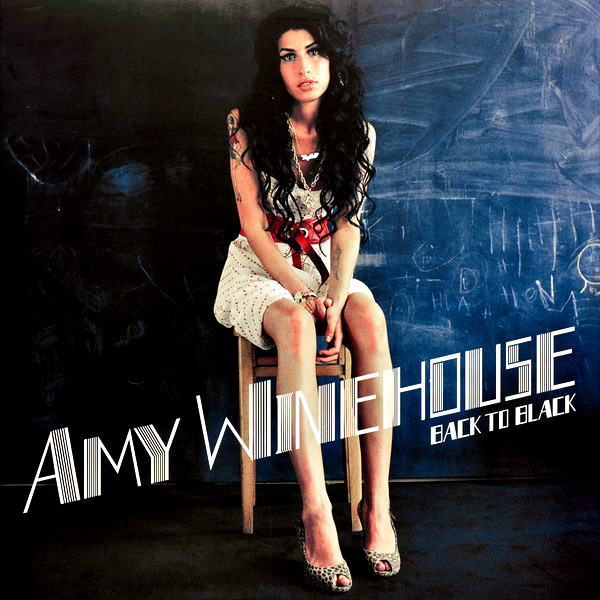
Any artist who begins and ends their album with songs titled “Rehab” and “Addicted” has a story to tell. Amy Winehouse certainly has many stories to tell. “Rehab,” for example, chronicles her refusal to go into rehab at the insistence of her management; doing so would likely numb the raw emotions that make Back to Black such an addictive listening experience. Unlike her (also wonderful) debut album, Frank, which was jazz-oriented, Back to Black draws heavily on the (sound of) the girl groups of the 1950s and 1960s. Amy Winehouse collaborated with the Dap-Kings (Sharon Jones’s band) during the recording of the album and also took them on tour. The 11-track album was completed in five months and was produced by Salaam Remi and Mark Ronson. The majority of the songs were recorded at the Dap-Kings’ home studio in Brooklyn, New York. Drums, piano, guitar and bass were recorded live, while all musicians were in one (small) room.
The inclusion of the production team and the Dap-Kings were masterstrokes for the album. The wall-of-sound production, coupled with the Dap-Kings' authentic soul feel, perfectly complements Amy Winehouse's beautiful, soulful voice, which pours her heart and soul into the songs. Her lyrics are remarkably direct and, at times, painfully honest. The subject matter is weighty, but the framing never makes it unbearable.
It's incredible that Amy Winehouse, only 22 at the time of recording, could create such an album, let alone compose it herself and make it sound so credible. Especially not to forget that with songs like "Rehab," "You Know I'm No Good," "Back To Black," "Love Is A Losing Game," "Tears Dry On Their Own," and "Wake Up Alone," Amy Winehouse also created beautiful and timeless songs that can be considered classics, and "Back To Black" is universally recognized as a masterpiece. It's a real shame that her self-destructive side won out over her artistic side.
= Full Album Play List =
= Track List =